
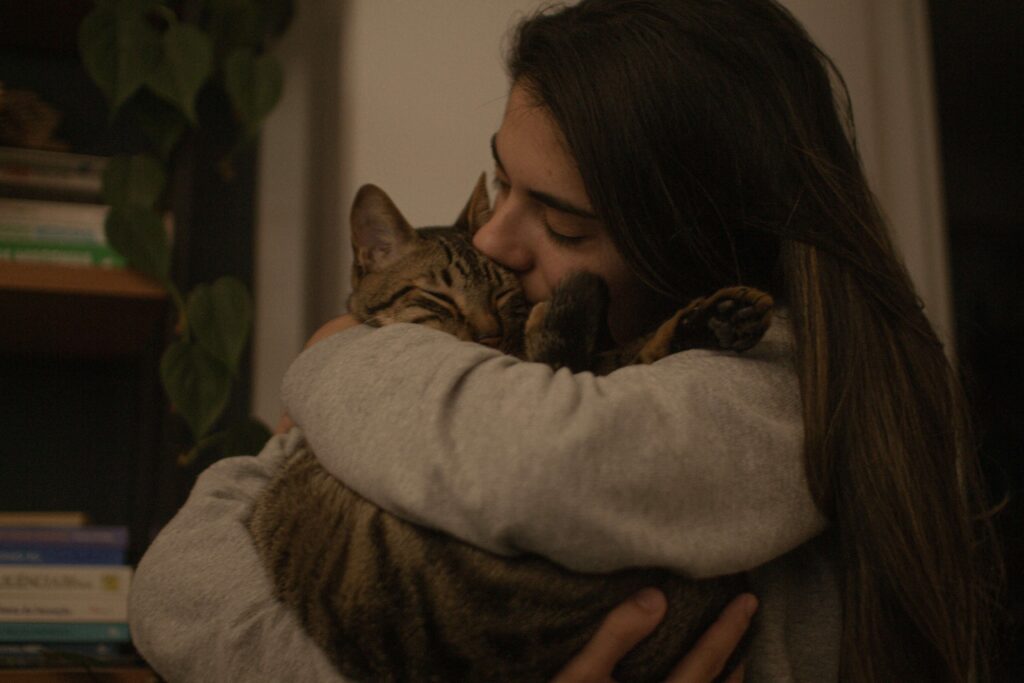
Cats are intelligent, sensitive, and highly individual animals. If you live with one, you’ve probably noticed they have very specific preferences-strong likes and equally strong dislikes. Interestingly, many of the things cats enjoy mirror what humans appreciate too: fresh food, cozy places to nap, engaging activities, and companionship.
That said, a cat’s tastes can shift over time. The toy they were obsessed with last month might suddenly become boring. A favorite nap spot might be replaced with a new sunny perch. As a cat parent, paying attention to these changing preferences helps ensure your feline companion stays happy, mentally stimulated, and physically healthy.
While every cat is unique, here are eight things that most cats genuinely love.
1. Cats Love Long, Cozy Naps
Cats are famous for their love of sleep—and for good reason. On average, cats snooze between 12 and 16 hours per day, and some may sleep even longer.
You’ll find them curled up in cat trees, stretched across your bed, nestled into laundry piles, or lounging in sunny windows. Because cats are naturally crepuscular (most active at dawn and dusk), they tend to conserve energy during the day through frequent naps.
Kittens and senior cats often sleep more than healthy adult cats. Growth, aging, and energy conservation all contribute to longer rest periods at those life stages.
If you ever feel concerned about your cat sleeping significantly more—or less—than usual, it’s wise to check with your veterinarian. Sleep patterns can vary depending on breed, age, activity level, and overall health.
But generally speaking, if there’s a soft, warm, and safe place available, your cat will happily claim it for nap time.
2. Cats Love Grooming (and Sometimes Being Groomed)
Adult cats spend nearly half of their waking hours grooming themselves. That’s not just vanity—it serves several important purposes.
Why Grooming Matters to Cats:
It keeps them clean.
Licking removes dirt, loose fur, and debris from their coats.
It promotes healthy skin and fur.
Grooming spreads natural oils across the coat, keeping it shiny and well-conditioned.
It reduces stress.
The repetitive motion of grooming can have a calming effect, similar to how humans relax during a massage.
It strengthens social bonds.
Cats groom one another in a behavior called “allogrooming,” which reinforces trust and companionship. Some cats even groom their humans as a sign of affection.
It helps regulate body temperature.
In warm weather, saliva evaporating from their fur helps cool them down.
While cats are expert self-groomers, many also enjoy being brushed—especially with soft bristle or rubber brushes that feel gentle on their skin. Regular brushing can reduce shedding, minimize hairballs, and create a bonding experience between you and your cat.
3. Cats Love Fresh, Nutritious Food
Just like people, cats prefer fresh, flavorful meals over stale or spoiled food. Proper nutrition is essential not only for enjoyment but also for long-term health.
Old or improperly stored food can lose its taste and nutritional value. Worse, it may harbor harmful bacteria or mold. Always check expiration dates and seal food containers tightly to preserve freshness.
Cats thrive on high-quality, species-appropriate diets that provide adequate protein and essential nutrients. Whether you feed dry kibble, wet food, or a combination of both, ensuring freshness and proper storage makes a noticeable difference in your cat’s enthusiasm at mealtime.
A happy cat often shows excitement when their bowl is filled—and will certainly let you know if something isn’t up to their standards.
4. Cats Love Running Water
Have you ever noticed your cat trying to drink from the faucet? Many cats are naturally drawn to moving water.
In the wild, running water is often fresher and safer than stagnant water. This instinct likely explains why some cats prefer flowing water sources over a still bowl.
Pet water fountains are popular for this reason—they continuously circulate water, keeping it fresh, cool, and appealing.
Some breeds and individual cats even enjoy playing in water. You may catch your cat batting at dripping taps or dipping their paws into the sink. If your cat enjoys splashing, supervised shallow water play (such as a small basin or tub with a few inches of water) can be enriching and cooling during warm weather.
Ensuring constant access to clean, fresh water is essential for kidney health and overall hydration.
5. Cats Love Scratching and Clawing
Scratching is not bad behavior—it’s a deeply ingrained instinct.
Cats scratch to:
-
Sharpen and maintain their claws
-
Stretch their muscles
-
Mark territory using scent glands in their paws
-
Release stress and excess energy
Scratching also feels good. It’s similar to how humans enjoy stretching after sitting for long periods.
Providing appropriate scratching surfaces—such as posts, cardboard scratchers, or cat trees—protects your furniture while satisfying this natural need. Different cats prefer different textures, so offering both vertical and horizontal options can help.
When given proper outlets, scratching becomes a positive, enriching activity rather than a frustrating habit.
6. Cats Love Daily Playtime
Play is not just for kittens—cats of all ages need regular interactive play to stay physically and mentally healthy.
Playtime allows cats to express their natural hunting instincts. Chasing, stalking, pouncing, and batting at toys mimic behaviors they would use in the wild.
Even simple objects—like crumpled paper or string (supervised)—can spark joy. Many cats also enjoy puzzle toys, feather wands, laser pointers (used responsibly), and hide-and-seek games.
Daily play sessions help:
-
Prevent obesity
-
Reduce boredom
-
Minimize destructive behaviors
-
Strengthen the bond between you and your cat
Just a few minutes of focused interactive play each day can make a major difference in your cat’s happiness.
7. Cats Love Watching Birds
If your cat spends hours perched on a windowsill, you’ve likely witnessed their fascination with birds.
Bird-watching taps directly into a cat’s prey drive. The fluttering movement, sudden hops, and chirping sounds are highly stimulating.
A safe indoor window perch offers mental enrichment and entertainment. However, be mindful of direct sun exposure—especially for cats with light-colored fur or sensitive skin. Limiting prolonged exposure during peak sunlight hours helps prevent sunburn.
Providing a secure screen and safe vantage point ensures your cat can enjoy the view without risk.
For many cats, bird-watching is like their favorite television show—captivating and endlessly entertaining.
8. Cats Love Their Humans
Despite their reputation for independence, cats form deep emotional bonds with their people.
They may not always show affection in obvious ways, but their love is genuine and meaningful.
Signs your cat cares about you include:
-
Purring when near you
-
Head bunting (gently pressing their head against you)
-
Rubbing against your legs
-
Sleeping on or beside you
-
Following you from room to room
-
Licking you
-
Slow blinking
-
Even turning their back or presenting their rear (a sign of trust)
Cats rely on companionship, security, and routine. Spending quality time with them—whether through play, petting, or quiet coexisting—strengthens that bond.
They may be independent, but they still crave attention and affection from their trusted humans.
Final Thoughts
Cats may be mysterious at times, but their favorite things are surprisingly relatable: good food, restful sleep, stimulating activities, and loving companionship.
By paying attention to your cat’s individual preferences—and adjusting as they grow and change—you can create an environment that supports both their physical health and emotional wellbeing.
When their needs are met and their favorite activities are part of daily life, cats thrive. And in return, they offer affection, entertainment, and companionship that make sharing your home with them incredibly rewarding.