
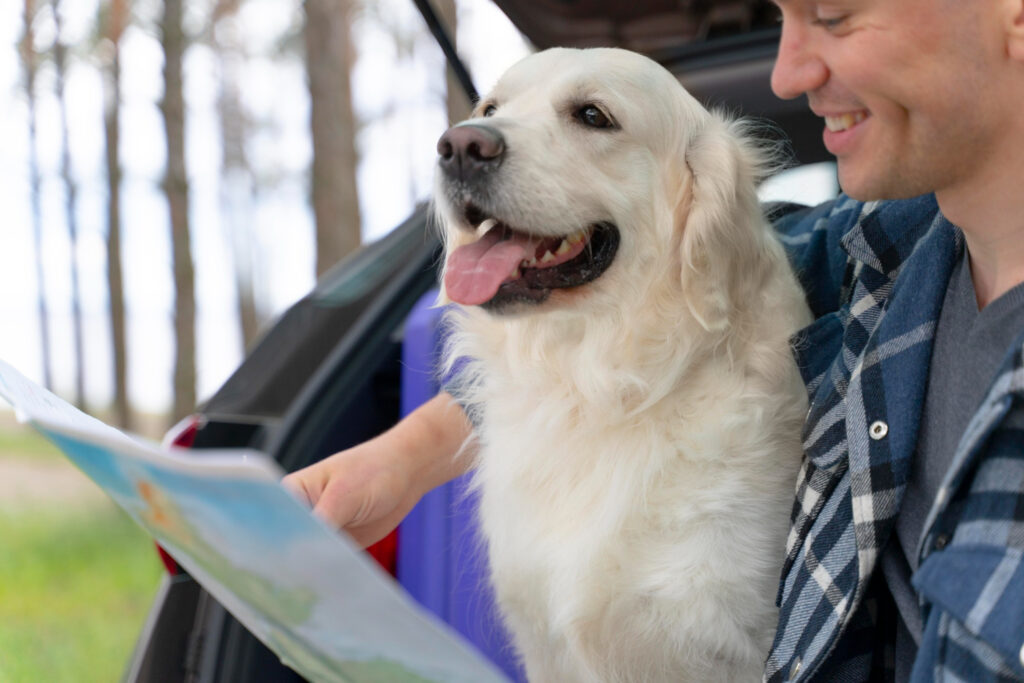
Vacations are meant to be relaxing. They offer a welcome break from daily routines, work obligations, and household responsibilities. But if you’re heading out of town and leaving your pets behind, it’s completely normal to feel a little anxious. Did you leave enough food? Did you remember to explain the medication schedule? What if something unexpected happens?
Planning ahead is the key to preventing those uneasy feelings. Taking time to prepare your pet, your home, and your chosen caregiver will help you travel with confidence. When you know everything is handled, you’ll be able to fully enjoy your time away.
Use this comprehensive pre-vacation checklist to make sure your pets are properly cared for and set up for success during your absence.
1. Update Your Pet’s Records and Health Needs
Before you leave town, schedule a pre-vacation veterinary visit to ensure your pet is healthy and ready for your absence. Even if your pet seems perfectly fine, this proactive step can prevent unexpected issues while you’re gone.
During this visit:
-
Make sure all vaccinations are up to date, especially if your pet will be boarding. Many facilities require proof of current vaccines.
-
Have your pet’s microchip scanned to confirm it is functioning properly.
-
Verify that your contact information linked to the microchip registration is current.
-
Refill any medications your pet will need while you’re away.
-
Ask about preventive care such as flea, tick, or heartworm medications if they’ll be due during your trip.
If your pet is prone to anxiety, motion sickness, or gastrointestinal upset during stressful changes, talk with your veterinarian about supportive options. This may include anti-anxiety medications, calming supplements, or probiotics if stress tends to trigger digestive issues.
Also take a moment to:
-
Inspect your pet’s ID tags to ensure they’re readable and not worn down.
-
Confirm that tags include your current phone number.
-
Provide your sitter or boarding facility with contact information for both your regular veterinarian and the nearest emergency veterinary clinic.
Having updated medical information readily available gives everyone peace of mind and ensures faster response times if medical care is ever needed.
2. Secure Reliable Care Arrangements
One of the most important decisions you’ll make before traveling is choosing who will care for your pet. Generally, you have two main options:
-
Hiring an in-home pet sitter
-
Boarding your pet at a professional facility
Each option has its advantages. An in-home sitter allows your pet to remain in a familiar environment, which can significantly reduce stress. Boarding facilities, on the other hand, may offer structured routines, socialization opportunities, and on-site staff supervision.
Whichever route you choose, ask thoughtful questions before confirming arrangements:
-
What experience do they have caring for your specific species and breed?
-
Are they comfortable administering medications if needed?
-
What is included in their fee (walks, playtime, litter cleaning, feeding frequency)?
-
What is their emergency protocol if your pet becomes ill or injured?
-
How often will they provide updates?
If you’re hiring a professional pet sitter or using a boarding facility, also ask:
-
Are they insured or bonded?
-
Are staff trained in pet CPR or first aid?
-
Can they provide references from previous clients?
If a friend or family member is stepping in to help, make sure they fully understand your pet’s routine and feel comfortable handling any special needs. Confirm dates, times, and expectations clearly so there are no misunderstandings.
Booking well in advance-especially during holidays and peak travel seasons-ensures availability and avoids last-minute scrambling.
3. Gather and Organize Necessary Supplies
Preparation looks slightly different depending on whether your pet is staying home or being boarded.
If Your Pet Is Boarding
Pack a dedicated bag with:
-
Enough food for the entire stay (plus extra in case of travel delays)
-
Clearly labeled medications with written instructions
-
Favorite toys or comfort items
-
Their bed or a familiar blanket
-
Food and water dishes (if requested by the facility)
-
Leash, harness, or collar
-
Detailed written care instructions
Label everything clearly with your pet’s name. Even if the facility has standard procedures, written instructions prevent confusion and ensure consistency.
If Your Pet Is Staying at Home
You won’t need to pack items, but organization is still crucial. To make things easier for your pet sitter:
-
Pre-portion meals in containers or labeled bags if your pet has specific feeding measurements.
-
Create a simple daily checklist outlining feeding times, walks, medications, and playtime.
-
Place medications in a visible, organized location with clear instructions.
-
Keep cleaning supplies accessible for accidents or litter box maintenance.
Being organized reduces the risk of missed doses or feeding errors and makes your sitter’s job much smoother.
4. Prepare Your Home for Safety and Comfort
If your pet will be staying in your home, take a few precautionary steps to ensure a safe environment.
Safety Measures
-
Block off rooms or staircases if necessary.
-
Check that all windows and doors lock securely.
-
Remove hazardous items or small objects your pet could chew or swallow.
-
Store cleaning supplies and medications safely out of reach.
Key Access
-
Make spare keys and test them before giving one to your pet sitter.
-
Consider leaving an additional spare with a trusted neighbor.
-
If you use a keypad entry or garage remote, replace batteries in advance.
Climate and Monitoring
-
Adjust your thermostat appropriately based on anticipated weather conditions.
-
Consider installing indoor cameras to monitor your pets and home activity.
-
Ensure automatic feeders or water fountains are functioning properly if you use them.
Calming Aids
Some pets experience stress when routines change. You might consider:
-
Plugging in a pheromone diffuser designed to promote calm behavior.
-
Spraying bedding or toys with calming pheromone sprays.
-
Leaving soft background noise, such as music or a television, if your pet is used to it.
Taking these small steps can significantly improve your pet’s comfort level during your absence.
5. Leave on a Positive and Calm Note
The final step happens just before you walk out the door.
Double-check that:
-
Your pet sitter knows what time they are arriving.
-
The boarding facility has all required documentation.
-
Emergency contacts are easily accessible.
-
Food, medications, and supplies are in place.
If your pet becomes anxious when you leave, now is the time to administer any veterinarian-recommended anti-anxiety medication. Keep your departure calm and low-key. Overly emotional goodbyes can unintentionally heighten your pet’s stress.
Spend a few extra minutes offering affection, playtime, or treats before you go. A positive interaction helps associate your departure with reassurance rather than fear.
Try to maintain a relaxed demeanor—pets are highly attuned to their owners’ emotions. If you project confidence and calmness, your pet is more likely to feel secure.
Enjoy Your Time Away
When you include your pet in your travel preparations and take these proactive steps, you create a strong foundation for their safety and comfort. Thoughtful planning minimizes the chances of emergencies, miscommunications, or last-minute stress.
Most importantly, it allows you to fully relax during your trip. Knowing your pet is in capable hands means you can focus on enjoying your vacation instead of worrying about what’s happening back home.
A little preparation goes a long way in ensuring both you and your furry companions have a positive experience-even when you’re apart.