
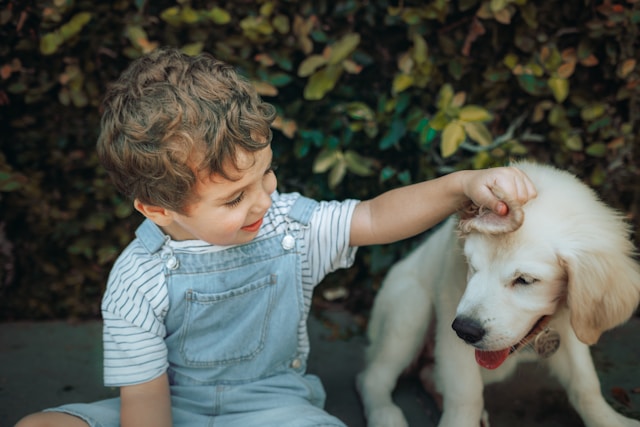
The connection between pets and children can be one of the most meaningful relationships in a young person’s life. Research continues to show that growing up with animals—especially dogs—offers emotional, psychological, and even physical benefits. While many children eagerly promise to feed, walk, and care for a pet in hopes of convincing their parents, forming a truly positive bond doesn’t happen automatically. Like any important relationship, it requires patience, supervision, and thoughtful guidance from adults. When nurtured properly, the relationship between pets and children can help both thrive together in a safe, loving environment.
Benefits of Pets and Children Growing Together
Many families share their homes with animals, most commonly dogs, followed by cats, fish, birds, reptiles, and small mammals such as rabbits or guinea pigs. Parents often choose to bring a pet into the household to provide companionship and joy for their child. Another common motivation is teaching responsibility. However, the benefits go far beyond these initial reasons.
Children who grow up with pets often develop:
-
A stronger sense of responsibility through daily feeding, grooming, and care routines.
-
Improved emotional health, as pets provide comfort during stressful or difficult moments.
-
Better psychological well-being, including reduced anxiety and increased confidence.
-
Greater physical activity, especially in households with dogs that require walks and playtime.
-
Enhanced empathy and compassion, as children learn to recognize and respond to an animal’s needs.
-
Stronger relationship skills, built through trust, patience, and consistent interaction.
Pets offer unconditional companionship. In return, children learn loyalty, respect, and the importance of caring for another living being. These lessons often carry into adulthood, shaping how they interact with others throughout their lives.
How to Safely Introduce Pets and Children
Introducing pets and children should always be done thoughtfully and under close supervision. No child—particularly very young ones—should be left alone with a pet until adults are confident that both can interact safely. Even gentle animals may scratch or nip if startled, and children may unintentionally hurt a pet if they are overly excited or unsure how to handle them.
A calm, structured introduction works best. Encourage your child to sit quietly on a chair or couch and allow the pet to approach at its own pace. Speaking in a soft voice and using slow movements helps the animal feel secure. If appropriate, allow your child to gently pet the animal under supervision. Offering a small treat—either placed on the floor or given carefully from an open palm—can help create positive associations for the pet.
Watch both closely. If the child becomes too rough or the pet shows signs of stress—such as growling, hissing, stiff posture, or trying to move away—step in calmly and redirect the situation. Teaching gentle handling from the start helps build mutual trust.
Teaching Responsibility and Communication
One of the greatest advantages of raising pets and children together is the opportunity to teach responsibility. Creating a simple daily or weekly chore chart for pet-related tasks can help children stay organized. Duties might include feeding, refilling water, brushing, cleaning enclosures, or helping with walks.
Positive reinforcement is especially effective. Praise your child when tasks are completed properly. For older children, small rewards or allowances tied to consistent care can further motivate responsible behavior. However, adults must always ensure the pet’s needs are met. If a task is forgotten, parents should step in immediately so the animal does not suffer.
Involving children in training sessions can also strengthen the bond. Teaching a dog simple commands or guiding a child in reward-based training builds confidence for both. While dogs are commonly trained, many other pets—including cats, rabbits, and birds—can learn routines through consistency and patience.
Understanding animal communication is equally important. Teach children to recognize signs of stress or discomfort. Explain what growling, hissing, flattened ears, raised fur, or retreating behavior may mean. Before bringing a pet home, discuss normal behaviors for that species so the entire family understands what to expect. Consulting a veterinarian or animal behavior professional can provide helpful insight.
It is also crucial to provide a safe retreat for your pet. Whether it is a crate, a cat tree, a small animal enclosure, or a quiet room, every animal should have a place where it can rest undisturbed. Teach your child to respect this space at all times.
Conclusion
The relationship between pets and children can be deeply rewarding when guided with care and intention. Through supervision, clear rules, and consistent routines, families can create a safe environment where trust grows naturally. Children learn empathy, responsibility, and compassion, while pets receive affection, stability, and security. With patience and thoughtful involvement from adults, the bond between pets and children can become a lasting source of comfort, growth, and lifelong memories for everyone involved.