
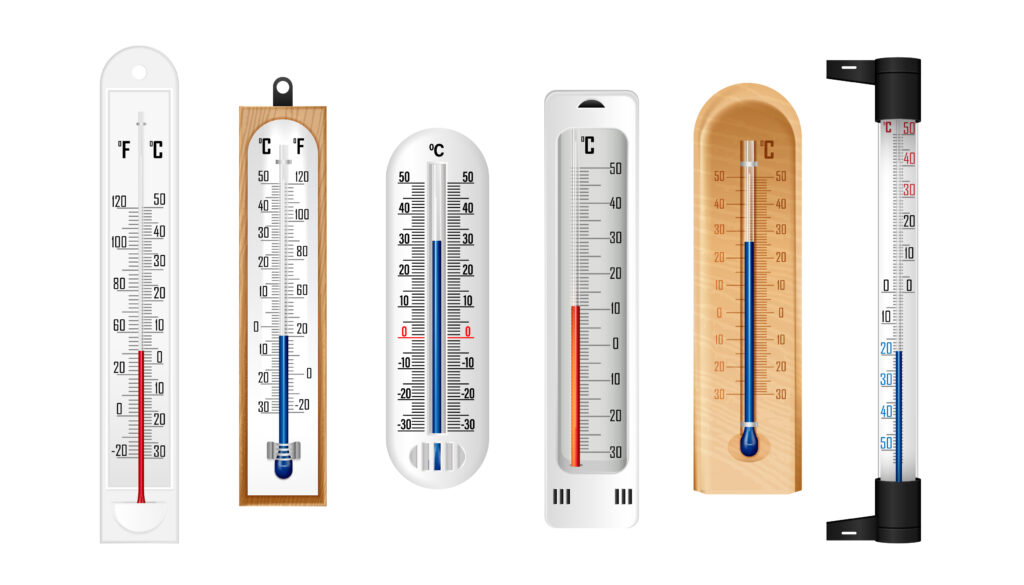
Understanding temperature doesn’t have to be confusing. Once you get the hang of converting between Celsius (°C) and Fahrenheit (°F), it becomes second nature. Whether you’re checking the weather, following a recipe, or studying science, knowing celsius to fahrenheit conversion helps you make sense of temperature no matter which unit is used.
For example, you might wonder: what does 70°F feel like in Celsius? Or what does 0°C mean in Fahrenheit? Let’s break it down in a simple way.
Standard Temperature Conversion Formulas
The good news is—there are only two formulas you need to remember, and both are quite straightforward.
Fahrenheit to Celsius
To convert Fahrenheit into Celsius:
- First, subtract 32
- Then multiply the result by 5/9 (or 0.5556)
Example:
(50°F − 32) × 5/9 = 10°C
Once you try it a couple of times, it becomes pretty easy to do mentally for rough estimates.
Celsius to Fahrenheit Conversion Explained
Now let’s look at the reverse—celsius to fahrenheit conversion.
To convert Celsius into Fahrenheit:
- Multiply the Celsius value by 1.8
- Then add 32
Example:
(30°C × 1.8) + 32 = 86°F
This is especially useful when you’re reading international weather reports or cooking recipes from different countries.
Quick Reference Chart (Fahrenheit to Celsius)
If you don’t feel like doing the math every time, this quick chart can save you a lot of effort:
| Fahrenheit (°F) | Celsius (°C) |
|---|---|
| -40°F | -40°C |
| -30°F | -34°C |
| -20°F | -29°C |
| -10°F | -23°C |
| 0°F | -18°C |
| 10°F | -12°C |
| 20°F | -7°C |
| 32°F | 0°C |
| 40°F | 4°C |
| 50°F | 10°C |
| 60°F | 16°C |
| 70°F | 21°C |
| 80°F | 27°C |
| 90°F | 32°C |
| 100°F | 38°C |
Additional Reference (Celsius to Fahrenheit)
Here’s the reverse chart for quick celsius to fahrenheit conversions:
| Celsius (°C) | Fahrenheit (°F) |
|---|---|
| -40°C | -40°F |
| -30°C | -22°F |
| -20°C | -4°F |
| -10°C | 14°F |
| 0°C | 32°F |
| 10°C | 50°F |
| 20°C | 68°F |
| 30°C | 86°F |
| 40°C | 104°F |
| 50°C | 122°F |
| 60°C | 140°F |
| 70°C | 158°F |
| 80°C | 176°F |
| 90°C | 194°F |
| 100°C | 212°F |
About the Celsius to Fahrenheit Temperature Scales
Fahrenheit Scale
The Fahrenheit scale is named after physicist Daniel Gabriel Fahrenheit. It’s mostly used in the United States and a few other places.
- Water freezes at 32°F
- Water boils at 212°F (at sea level)
Celsius Scale
The Celsius scale, once called centigrade, is named after astronomer Anders Celsius. It’s the standard in most countries around the world.
- Water freezes at 0°C
- Water boils at 100°C (at sea level)
Why Temperature Conversion Matters
You might not think about it often, but temperature conversion shows up in everyday life more than you’d expect. From understanding global weather forecasts to getting a recipe just right, it’s a practical skill that saves time and confusion.
It even connects to nature—did you know that the rate of cricket chirps can hint at the temperature outside? Small details like that show how closely temperature is tied to the world around us.
Plus, once you’re comfortable converting temperatures, it becomes easier to handle other types of unit conversions too.
Conclusion: Mastering Celsius to Fahrenheit
Getting comfortable with celsius to fahrenheit conversion is a small skill that makes a big difference. With just a simple formula and a bit of practice, you’ll be able to switch between temperature scales effortlessly—whether you’re traveling, studying, or just planning your day.